

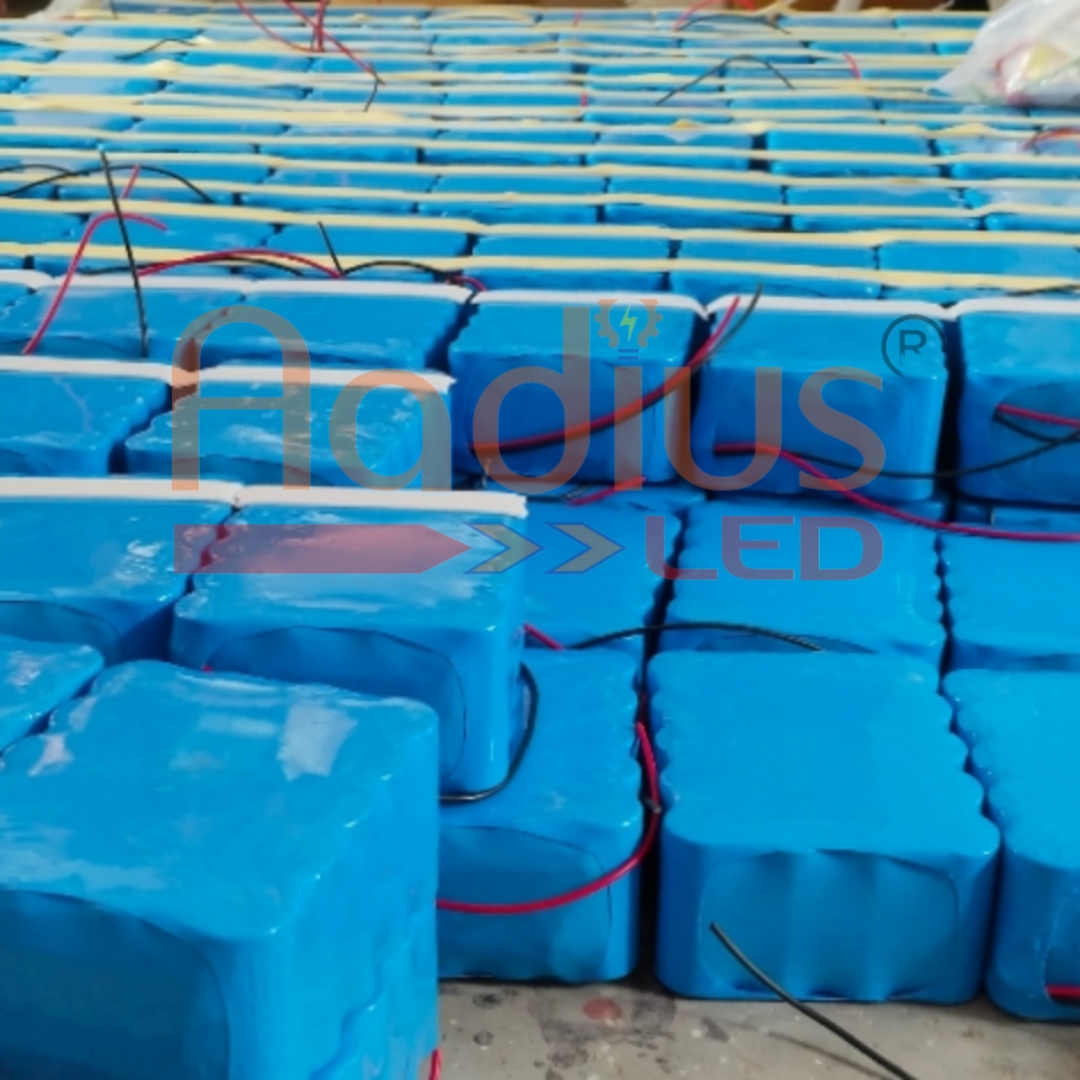
Lithium Iron Phosphate battery (commonly abbreviated as LiFePO4 or LFP) is a type of lithium-ion battery that uses iron phosphate as the cathode material.
While they have a slightly lower energy density than the lithium-ion batteries found in your phone (NMC/LCO), they are rapidly becoming the standard for solar storage, RVs, and electric vehicles due to their incredible durability and safety.
1. Key Advantages
Safety: LiFePO4 batteries are chemically stable and virtually immune to "thermal runaway" (fire). They can withstand high temperatures and physical damage without exploding.
Longevity: They typically last 3,000 to 6,000 charge cycles. If you use one every single day, it could last 10–15 years, compared to just 2–3 years for traditional lead-acid batteries.
Efficiency: You can use nearly 100% of the battery's capacity without damaging it. In contrast, lead-acid batteries should generally not be discharged past 50%.
Eco-Friendly: They do not contain toxic heavy metals like cobalt or lead, making them easier to recycle and ethically "cleaner" to produce
While they have a slightly lower energy density than the lithium-ion batteries found in your phone (NMC/LCO), they are rapidly becoming the standard for solar storage, RVs, and electric vehicles due to their incredible durability and safety.
1. Key Advantages
Safety: LiFePO4 batteries are chemically stable and virtually immune to "thermal runaway" (fire). They can withstand high temperatures and physical damage without exploding.
Longevity: They typically last 3,000 to 6,000 charge cycles. If you use one every single day, it could last 10–15 years, compared to just 2–3 years for traditional lead-acid batteries.
Efficiency: You can use nearly 100% of the battery's capacity without damaging it. In contrast, lead-acid batteries should generally not be discharged past 50%.
Eco-Friendly: They do not contain toxic heavy metals like cobalt or lead, making them easier to recycle and ethically "cleaner" to produce