

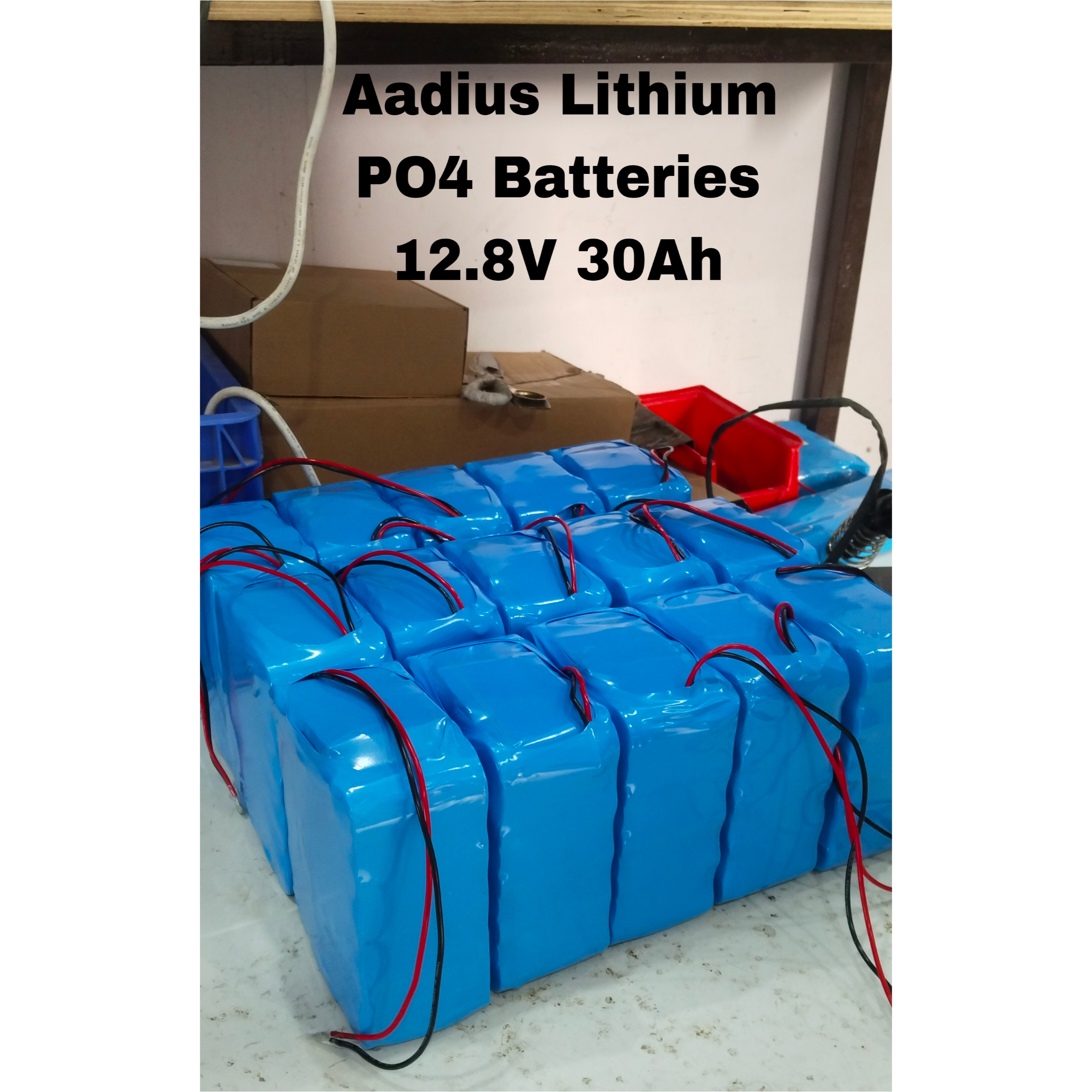
🔋 Lithium Iron Phosphate (LiFePO4) Batteries
Lithium Iron Phosphate (LiFePO4) batteries, often called LFP batteries, are a type of rechargeable lithium-ion battery. They are distinguished by using lithium iron phosphate (LiFePO_4) as the cathode material, in contrast to other lithium-ion batteries that may use materials like cobalt oxide or nickel manganese cobalt.
Key Characteristics and Advantages
LiFePO4 batteries are highly regarded for several distinct benefits, making them a popular choice for various applications, including electric vehicles, solar energy storage, and marine uses:
* Exceptional Safety: They are considered the safest type of lithium battery chemistry. Their chemical structure offers excellent thermal and chemical stability, making them less prone to overheating, thermal runaway, or combustion, even if handled incorrectly.
* Long Cycle Life: LFP batteries offer a significantly longer lifespan compared to many other battery chemistries, including lead-acid and other lithium-ion types. They can often endure thousands of charge-discharge cycles before their capacity is significantly reduced.
* Constant Discharge Voltage: These batteries maintain a very stable output voltage (typically 3.2\text{V} per cell) throughout the majority of their discharge cycle. This is beneficial for applications requiring consistent power.
* Wide Temperature Range: They can operate effectively across a broader range of temperatures compared to some other lithium chemistries.
* Environmental Friendliness: The materials, such as iron and phosphate, are non-toxic and more abundant than cobalt, making them easier and safer to recycle.
* Lightweight and Compact: Though their energy density is lower than some lithium-ion variants, they are still much lighter than comparable lead-acid batteries.
Trade-offs and Disadvantages
Despite their many benefits, LiFePO4 batteries do have certain limitations:
* Lower Energy Density: They store less energy per unit of weight or volume compared to lithium-ion chemistries that use materials like cobalt or nickel, which means a LiFePO4 battery pack may be physically larger or heavier for the same energy capacity as a different lithium-ion chemistry.
* Higher Initial Cost: The initial purchase price of LiFePO4 batteries is often higher than traditional lead-acid batteries. However, their longevity and low maintenance can offer a better cost of ownership over time.
These batteries are an excellent choice for applications where safety, longevity, and durability are prioritized over achieving the highest possible energy density in the smallest possible package.
To see a discussion about the pros and cons of this battery technology compared to others, check out this video: Li-ion vs LiFePO4 Batteries: Advantages and Disadvantages.
Lithium Iron Phosphate (LiFePO4) batteries, often called LFP batteries, are a type of rechargeable lithium-ion battery. They are distinguished by using lithium iron phosphate (LiFePO_4) as the cathode material, in contrast to other lithium-ion batteries that may use materials like cobalt oxide or nickel manganese cobalt.
Key Characteristics and Advantages
LiFePO4 batteries are highly regarded for several distinct benefits, making them a popular choice for various applications, including electric vehicles, solar energy storage, and marine uses:
* Exceptional Safety: They are considered the safest type of lithium battery chemistry. Their chemical structure offers excellent thermal and chemical stability, making them less prone to overheating, thermal runaway, or combustion, even if handled incorrectly.
* Long Cycle Life: LFP batteries offer a significantly longer lifespan compared to many other battery chemistries, including lead-acid and other lithium-ion types. They can often endure thousands of charge-discharge cycles before their capacity is significantly reduced.
* Constant Discharge Voltage: These batteries maintain a very stable output voltage (typically 3.2\text{V} per cell) throughout the majority of their discharge cycle. This is beneficial for applications requiring consistent power.
* Wide Temperature Range: They can operate effectively across a broader range of temperatures compared to some other lithium chemistries.
* Environmental Friendliness: The materials, such as iron and phosphate, are non-toxic and more abundant than cobalt, making them easier and safer to recycle.
* Lightweight and Compact: Though their energy density is lower than some lithium-ion variants, they are still much lighter than comparable lead-acid batteries.
Trade-offs and Disadvantages
Despite their many benefits, LiFePO4 batteries do have certain limitations:
* Lower Energy Density: They store less energy per unit of weight or volume compared to lithium-ion chemistries that use materials like cobalt or nickel, which means a LiFePO4 battery pack may be physically larger or heavier for the same energy capacity as a different lithium-ion chemistry.
* Higher Initial Cost: The initial purchase price of LiFePO4 batteries is often higher than traditional lead-acid batteries. However, their longevity and low maintenance can offer a better cost of ownership over time.
These batteries are an excellent choice for applications where safety, longevity, and durability are prioritized over achieving the highest possible energy density in the smallest possible package.
To see a discussion about the pros and cons of this battery technology compared to others, check out this video: Li-ion vs LiFePO4 Batteries: Advantages and Disadvantages.