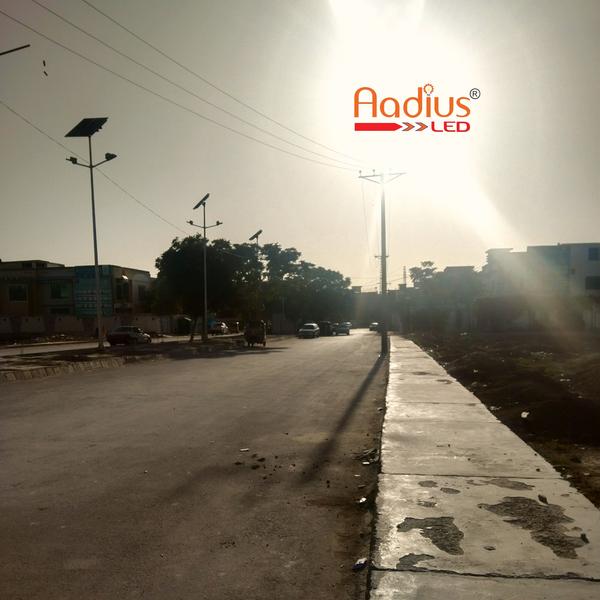


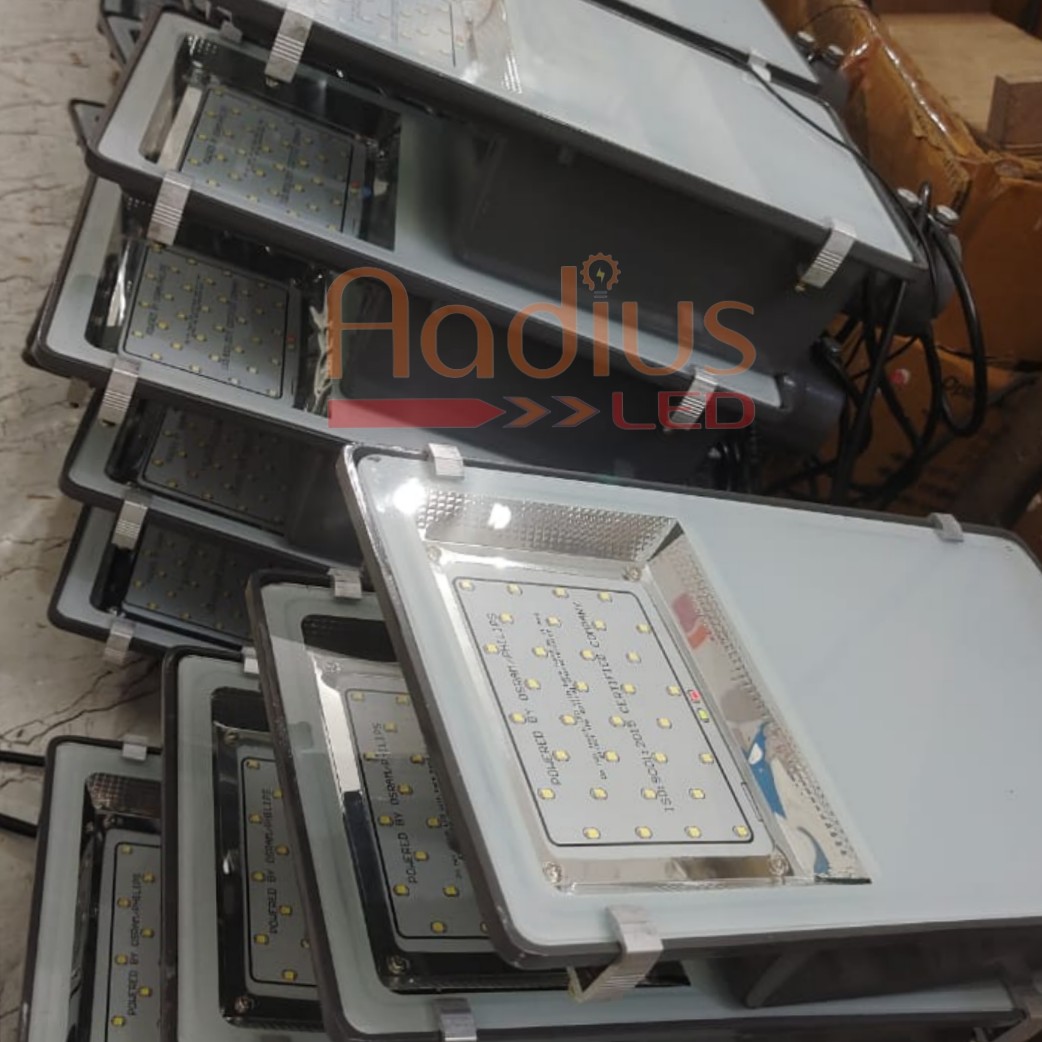
Solar street lights are self-sustaining lighting systems that convert sunlight into electricity to provide illumination at night. They are widely used for roads, parking lots, parks, and remote areas where grid connectivity is difficult or expensive.
1. Main Components
A typical solar street light consists of four primary parts:
* **Solar Panel (PV Module): Usually monocrystalline or polycrystalline. It absorbs solar energy during the day and converts it into DC electricity.
* LED Luminaire: The light source. LEDs are preferred because they provide high brightness with low energy consumption (often 50% more efficient than traditional lamps).
* Rechargeable Battery: Stores the power generated during the day. Modern systems use Lithium-ion (Li-ion) or Lithium Iron Phosphate (LiFePO4) batteries due to their long life and compact size.
* Solar Charge Controller: The "brain" of the system. It prevents the battery from overcharging, senses when it’s dark to turn the light on (Dusk-to-Dawn sensor), and often manages motion sensors.
2. Types of Solar Street Lights
| Type | Description |
|---|---|
| All-in-One (Integrated) | Panel, LED, and battery are all built into a single compact housing. They are the easiest to install and most aesthetically pleasing. |
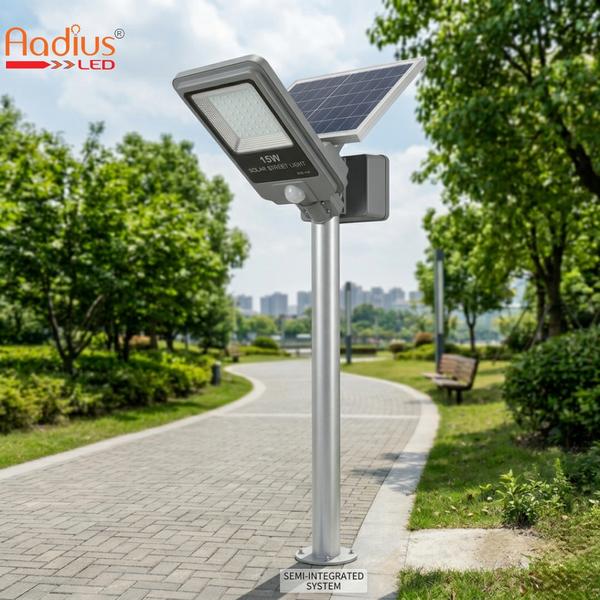
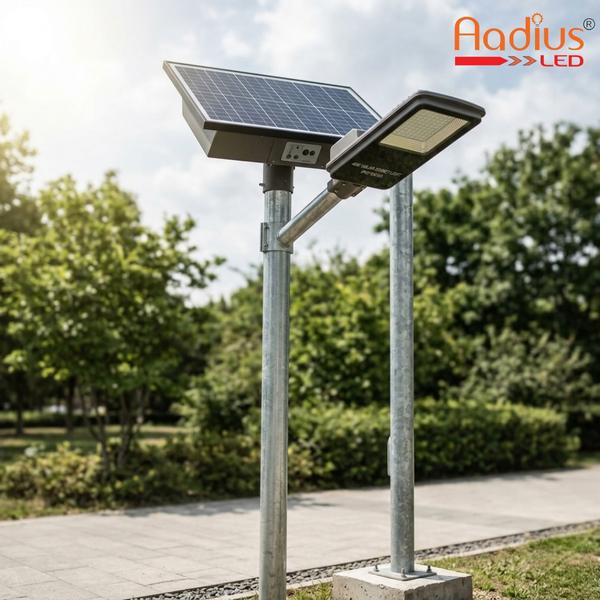
| Semi-Integrated | The battery and LED are integrated, but the solar panel is separate. This allows the panel to be angled independently for maximum sun exposure. |
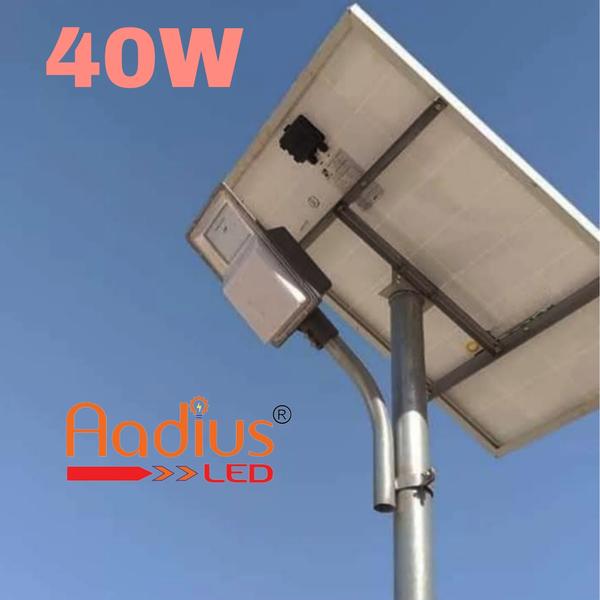
| Split Type (Traditional) | Each component (panel, battery box, light) is separate. Usually used for high-power industrial lighting where very large panels or batteries are required. |
3. Key Technical Specifications
* Luminous Efficacy: Typically ranges from 130 to 200 lumens per watt (lm/W).
* Autonomy (Backup): Most quality systems provide 2–3 days of backup to ensure the light works even during cloudy or rainy weather.
* Mounting Height: Generally installed on poles between 4 to 10 meters high, depending on the road width.
* IP Rating: Usually IP65 or IP66, meaning they are fully waterproof and dust-resistant for outdoor use.
4. Major Benefits & Drawbacks
Pros:
* Zero Electricity Bills: Operates entirely on free renewable energy.
* Low Maintenance: No external wiring means no risks of cable theft or short circuits; requires only occasional panel cleaning.
* Easy Installation: Since no trenching or cabling is needed, they can be set up in hours rather than days.
Cons:
* Higher Initial Cost: The upfront purchase price is higher than traditional street lights.
* Weather Dependent: Charging efficiency drops significantly during heavy snow or prolonged monsoon seasons.
* Theft Risk: Because they are independent units with valuable batteries, they can be targets for theft in unsecured areas.
5. Maintenance Tips
* Clean the Panels: Dust and bird droppings can reduce efficiency by up to 30%. Wipe them every 3–6 months.
* Check Connections: Ensure all bolts and wires are tight, especially after heavy storms or high winds.
* Battery Replacement: While the system can last 20+ years, batteries usually need replacement every 5–7 years.
1. Main Components
A typical solar street light consists of four primary parts:
* **Solar Panel (PV Module): Usually monocrystalline or polycrystalline. It absorbs solar energy during the day and converts it into DC electricity.
* LED Luminaire: The light source. LEDs are preferred because they provide high brightness with low energy consumption (often 50% more efficient than traditional lamps).
* Rechargeable Battery: Stores the power generated during the day. Modern systems use Lithium-ion (Li-ion) or Lithium Iron Phosphate (LiFePO4) batteries due to their long life and compact size.
* Solar Charge Controller: The "brain" of the system. It prevents the battery from overcharging, senses when it’s dark to turn the light on (Dusk-to-Dawn sensor), and often manages motion sensors.
2. Types of Solar Street Lights
| Type | Description |
|---|---|
| All-in-One (Integrated) | Panel, LED, and battery are all built into a single compact housing. They are the easiest to install and most aesthetically pleasing. |
| Semi-Integrated | The battery and LED are integrated, but the solar panel is separate. This allows the panel to be angled independently for maximum sun exposure. |
| Split Type (Traditional) | Each component (panel, battery box, light) is separate. Usually used for high-power industrial lighting where very large panels or batteries are required. |
3. Key Technical Specifications
* Luminous Efficacy: Typically ranges from 130 to 200 lumens per watt (lm/W).
* Autonomy (Backup): Most quality systems provide 2–3 days of backup to ensure the light works even during cloudy or rainy weather.
* Mounting Height: Generally installed on poles between 4 to 10 meters high, depending on the road width.
* IP Rating: Usually IP65 or IP66, meaning they are fully waterproof and dust-resistant for outdoor use.
4. Major Benefits & Drawbacks
Pros:
* Zero Electricity Bills: Operates entirely on free renewable energy.
* Low Maintenance: No external wiring means no risks of cable theft or short circuits; requires only occasional panel cleaning.
* Easy Installation: Since no trenching or cabling is needed, they can be set up in hours rather than days.
Cons:
* Higher Initial Cost: The upfront purchase price is higher than traditional street lights.
* Weather Dependent: Charging efficiency drops significantly during heavy snow or prolonged monsoon seasons.
* Theft Risk: Because they are independent units with valuable batteries, they can be targets for theft in unsecured areas.
5. Maintenance Tips
* Clean the Panels: Dust and bird droppings can reduce efficiency by up to 30%. Wipe them every 3–6 months.
* Check Connections: Ensure all bolts and wires are tight, especially after heavy storms or high winds.
* Battery Replacement: While the system can last 20+ years, batteries usually need replacement every 5–7 years.