

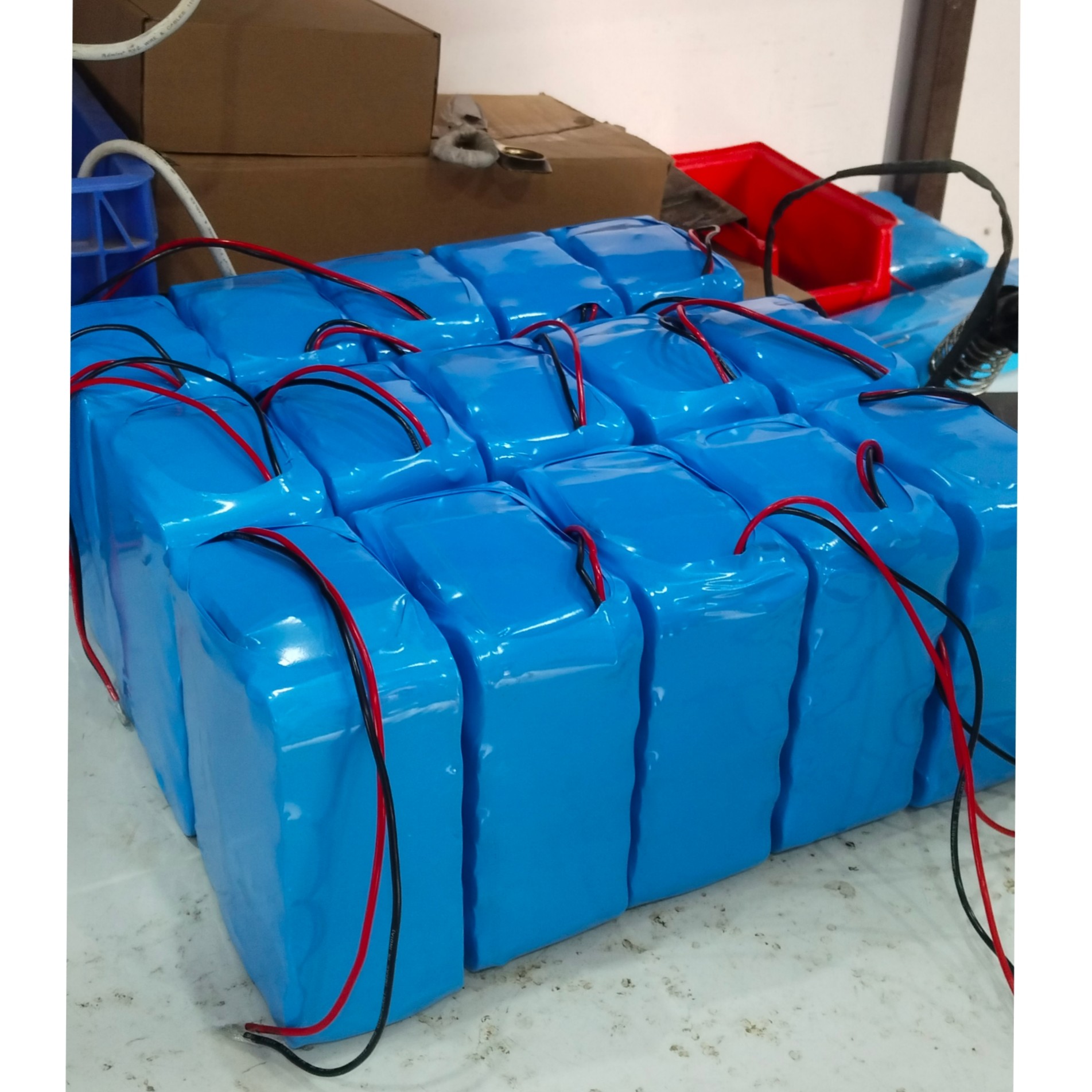
Lithium Iron Phosphate battery (often abbreviated as LiFePO4 or LFP) is a type of lithium-ion battery that uses lithium iron phosphate as the cathode material.
While "standard" lithium batteries (like those in your phone or laptop) often use Cobalt, LFP batteries are favored for larger-scale applications because they are significantly safer, more durable, and more environmentally friendly.
Key Comparisons: LFP vs. Standard Lithium-Ion
| Feature | LiFePO4 (LFP) | Standard Li-ion (NMC/LCO) |
|---|---|---|
| Safety | Very High (Non-flammable, stable) | Moderate (Risk of thermal runaway) |
| Lifespan | 2,500 – 5,000+ cycles | 500 – 1,000 cycles |
| Energy Density | Lower (Heavier/Bulky) | Higher (Small/Lightweight) |
| Operating Temp | Wide (-20°C to 60°C) | Narrower (Sensitive to heat) |
| Cost | Lower (Iron is cheap/abundant) | Higher (Cobalt is expensive/rare) |
Why People Choose LiFePO4
* Safety & Stability: The chemical bonds in LFP are much stronger than in cobalt-based batteries. They are virtually immune to "thermal runaway" (catching fire) even if punctured or overcharged.
* Longevity: An LFP battery can often last 10+ years. While a standard lithium battery might start degrading after 2 years of daily use, an LFP battery can handle thousands of full charge/discharge cycles before losing significant capacity.
* Efficiency: They have a very "flat" discharge curve. This means they provide steady, full power until they are almost completely empty, rather than the voltage dropping steadily as you use it.
* Eco-Friendly: They do not contain heavy metals like Cobalt or Nickel, which are often associated with unethical mining practices and environmental toxicity.
Common Uses
Because they are heavier than standard lithium batteries but much safer and longer-lasting, you will typically find them in:
* Solar Energy Storage: Home battery backups (like some Tesla Powerwalls).
* Electric Vehicles (EVs): Many standard-range EVs (like the Tesla Model 3 RWD) use LFP.
* RV & Marine: Replacing old lead-acid batteries for "off-grid" living.
* Portable Power Stations: Brands like EcoFlow and Jackery use them for their high-end models.
Technical Snapshot
* Nominal Voltage: 3.2V per cell (a 12V LFP battery is usually 4 cells in series, totaling 12.8V).
* Charge Voltage: Typically 3.65V per cell.
* Chemistry: LiFePO_4 (Cathode) and Graphite (Anode).
While "standard" lithium batteries (like those in your phone or laptop) often use Cobalt, LFP batteries are favored for larger-scale applications because they are significantly safer, more durable, and more environmentally friendly.
Key Comparisons: LFP vs. Standard Lithium-Ion
| Feature | LiFePO4 (LFP) | Standard Li-ion (NMC/LCO) |
|---|---|---|
| Safety | Very High (Non-flammable, stable) | Moderate (Risk of thermal runaway) |
| Lifespan | 2,500 – 5,000+ cycles | 500 – 1,000 cycles |
| Energy Density | Lower (Heavier/Bulky) | Higher (Small/Lightweight) |
| Operating Temp | Wide (-20°C to 60°C) | Narrower (Sensitive to heat) |
| Cost | Lower (Iron is cheap/abundant) | Higher (Cobalt is expensive/rare) |
Why People Choose LiFePO4
* Safety & Stability: The chemical bonds in LFP are much stronger than in cobalt-based batteries. They are virtually immune to "thermal runaway" (catching fire) even if punctured or overcharged.
* Longevity: An LFP battery can often last 10+ years. While a standard lithium battery might start degrading after 2 years of daily use, an LFP battery can handle thousands of full charge/discharge cycles before losing significant capacity.
* Efficiency: They have a very "flat" discharge curve. This means they provide steady, full power until they are almost completely empty, rather than the voltage dropping steadily as you use it.
* Eco-Friendly: They do not contain heavy metals like Cobalt or Nickel, which are often associated with unethical mining practices and environmental toxicity.
Common Uses
Because they are heavier than standard lithium batteries but much safer and longer-lasting, you will typically find them in:
* Solar Energy Storage: Home battery backups (like some Tesla Powerwalls).
* Electric Vehicles (EVs): Many standard-range EVs (like the Tesla Model 3 RWD) use LFP.
* RV & Marine: Replacing old lead-acid batteries for "off-grid" living.
* Portable Power Stations: Brands like EcoFlow and Jackery use them for their high-end models.
Technical Snapshot
* Nominal Voltage: 3.2V per cell (a 12V LFP battery is usually 4 cells in series, totaling 12.8V).
* Charge Voltage: Typically 3.65V per cell.
* Chemistry: LiFePO_4 (Cathode) and Graphite (Anode).