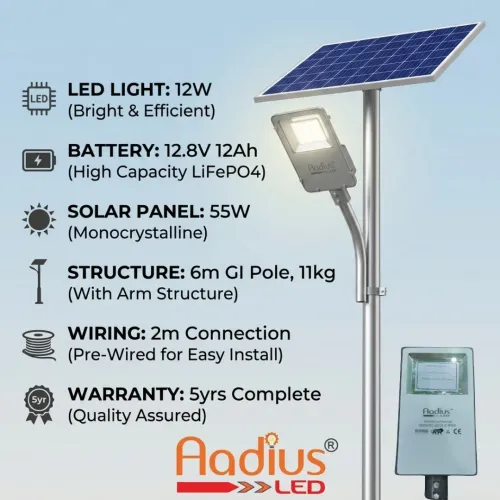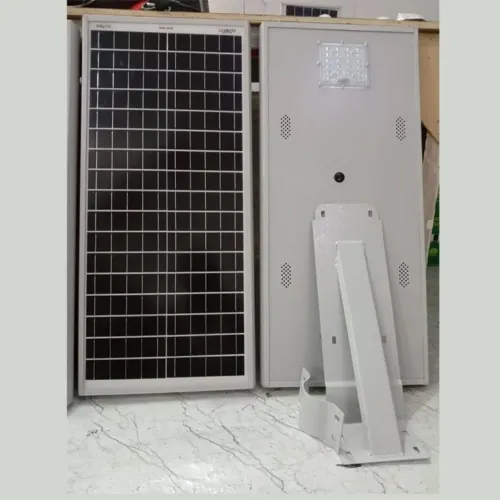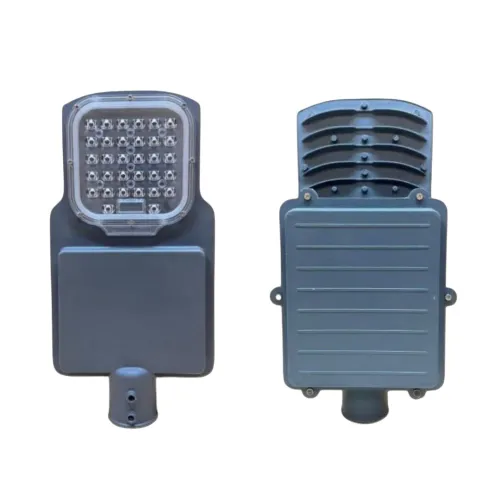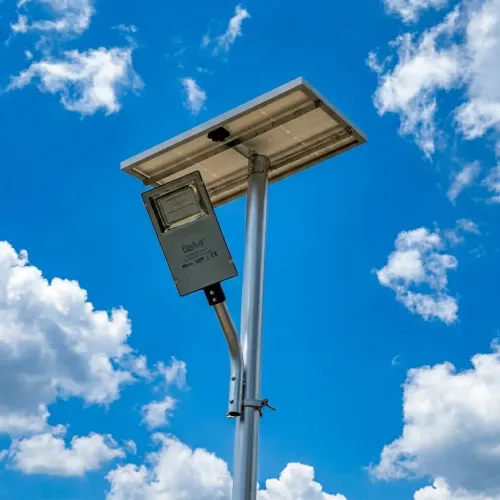


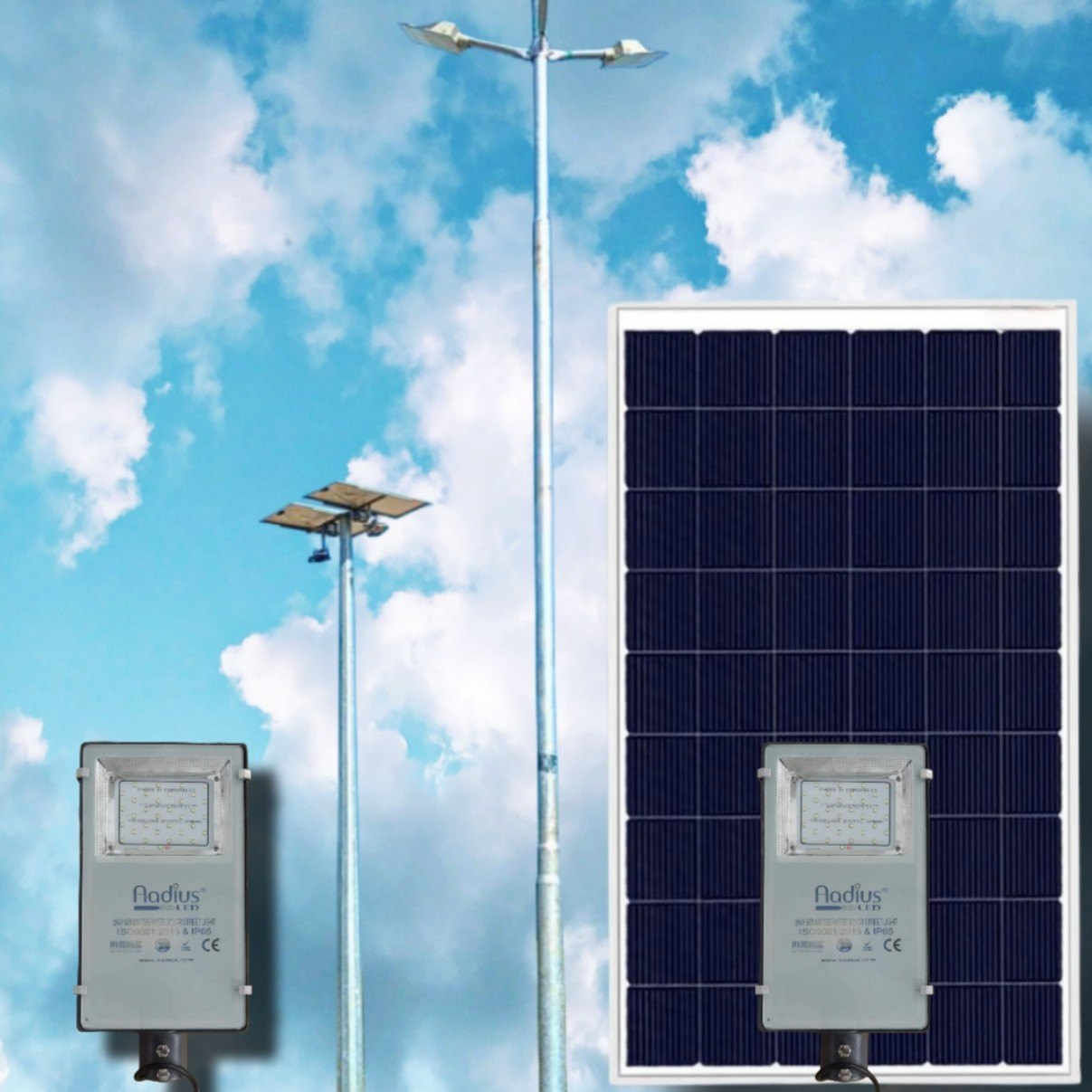
The specific, official "RMS" (Rate-Making Schedule/Standard) technical specifications for a 100W Solar LED Street Light as mandated by BREDA (Bihar Renewable Energy Development Agency) and HAREDA (Haryana Renewable Energy Development Agency) are usually found in their official tender documents or standard purchase specifications, which are not immediately available in a single, comprehensive public description.
However, based on general industry standards for high-wattage solar street lights and the known requirements from these agencies for LED street lighting systems, a typical description meeting these standards would include the following key features:
💡 100W Solar LED Street Light System Description (Based on RMS/SPEX)
This system is a high-power, standalone lighting solution designed for robust performance in outdoor public spaces such as streets, highways, and large pathways, adhering to stringent regional specifications (BREDA & HAREDA).
LED Luminaire:
Power: 100 Watt (W) nominal LED power.
Luminous Efficacy: High efficiency, typically 150 lumens per watt (textlmW or a minimum system efficacy 100lmW).
Light Output: High total luminous flux, approximately 12,000 to 17,000 lumens.
Color Temperature (CCT): Cool White, generally in the range of 5000K to 6500K.
LED Chips: Utilization of high-quality, branded LED chips (e.g., Nichia, Cree, OSRAM, Philips, or equivalent).
Housing/Ingress Protection (IP): Robust, high-grade die-cast aluminum housing with excellent heat dissipation. Minimum IP65 or IP66 rating for complete protection against dust and water jets.
Solar Panel (SPV Module):
Type: High-efficiency Monocrystalline Silicon solar panel.
Capacity: Over-paneling is typical to ensure adequate charging, usually ranging from 130Wp to 160Wp (Watt Peak).
Mounting: Designed for secure, durable mounting with the lamp assembly (integrated/all-in-one design) or as a separate component (semi-integrated/split design), often with adjustable tilt.
Battery:
Type: Advanced deep-cycle battery, most commonly Lithium Ferro Phosphate (LiFePO4 or LFP), known for its long life, safety, and performance.
Voltage/Capacity: High-capacity battery (e.g., 12.8V with capacity typically in the range of 50Ah to 70text Ah designed to meet the load requirement.
Autonomy: Designed to provide lighting for a minimum of three days or more of operation (sim 36 to 60 operating hours) under cloudy/rainy conditions (autonomy period).
Charge Controller:
Type: High-efficiency PWM(Pulse Width Modulation) or MPPT (Maximum Power Point Tracking) technology.
Functionality: Includes automatic Dusk-to-Dawn operation and mandatory intelligent dimming/power regulation (e.g., full brightness for the first few hours, then dimming to 50% or 60% for the remaining night hours) to conserve battery power and ensure \text{3-day} autonomy.
Protection: Essential safety features including overcharge, deep discharge, reverse polarity, and short-circuit protection.
System Structure and Pole:
Pole: Suitable height (typically 7 to 10 meters) and material (e.g., hot-dip galvanized iron or steel) capable of withstanding local wind speed requirements.
Corrosion Resistance: All external components and hardware (nuts/bolts) must be made of stainless steel or highly corrosion-resistant materials.
Indicators:LEDindicators for charging status (Green) and system protection/faults (Red).
However, based on general industry standards for high-wattage solar street lights and the known requirements from these agencies for LED street lighting systems, a typical description meeting these standards would include the following key features:
💡 100W Solar LED Street Light System Description (Based on RMS/SPEX)
This system is a high-power, standalone lighting solution designed for robust performance in outdoor public spaces such as streets, highways, and large pathways, adhering to stringent regional specifications (BREDA & HAREDA).
LED Luminaire:
Power: 100 Watt (W) nominal LED power.
Luminous Efficacy: High efficiency, typically 150 lumens per watt (textlmW or a minimum system efficacy 100lmW).
Light Output: High total luminous flux, approximately 12,000 to 17,000 lumens.
Color Temperature (CCT): Cool White, generally in the range of 5000K to 6500K.
LED Chips: Utilization of high-quality, branded LED chips (e.g., Nichia, Cree, OSRAM, Philips, or equivalent).
Housing/Ingress Protection (IP): Robust, high-grade die-cast aluminum housing with excellent heat dissipation. Minimum IP65 or IP66 rating for complete protection against dust and water jets.
Solar Panel (SPV Module):
Type: High-efficiency Monocrystalline Silicon solar panel.
Capacity: Over-paneling is typical to ensure adequate charging, usually ranging from 130Wp to 160Wp (Watt Peak).
Mounting: Designed for secure, durable mounting with the lamp assembly (integrated/all-in-one design) or as a separate component (semi-integrated/split design), often with adjustable tilt.
Battery:
Type: Advanced deep-cycle battery, most commonly Lithium Ferro Phosphate (LiFePO4 or LFP), known for its long life, safety, and performance.
Voltage/Capacity: High-capacity battery (e.g., 12.8V with capacity typically in the range of 50Ah to 70text Ah designed to meet the load requirement.
Autonomy: Designed to provide lighting for a minimum of three days or more of operation (sim 36 to 60 operating hours) under cloudy/rainy conditions (autonomy period).
Charge Controller:
Type: High-efficiency PWM(Pulse Width Modulation) or MPPT (Maximum Power Point Tracking) technology.
Functionality: Includes automatic Dusk-to-Dawn operation and mandatory intelligent dimming/power regulation (e.g., full brightness for the first few hours, then dimming to 50% or 60% for the remaining night hours) to conserve battery power and ensure \text{3-day} autonomy.
Protection: Essential safety features including overcharge, deep discharge, reverse polarity, and short-circuit protection.
System Structure and Pole:
Pole: Suitable height (typically 7 to 10 meters) and material (e.g., hot-dip galvanized iron or steel) capable of withstanding local wind speed requirements.
Corrosion Resistance: All external components and hardware (nuts/bolts) must be made of stainless steel or highly corrosion-resistant materials.
Indicators:LEDindicators for charging status (Green) and system protection/faults (Red).